
The intriguing journey of gambling tracing its historical evolution
The Origins of Gambling
The history of gambling stretches back thousands of years, originating in ancient civilizations where games of chance were intertwined with religious and cultural practices. Evidence of gambling can be traced to ancient China, where rudimentary games involving dice and betting on the outcome were commonplace as early as 2300 BC. Similarly, in ancient Rome and Greece, gambling was a popular pastime, with citizens engaging in betting on gladiatorial games and various athletic competitions. If you’re curious, you can check out the Chicken Road game demo for a new online experience.

As societies evolved, so did the forms of gambling. The development of playing cards in the 9th century in China marked a significant milestone in gambling history. These cards spread to the Middle East and Europe, leading to the establishment of various card games that would become staples in gambling establishments. Over time, gambling became more organized, culminating in the formation of formal casinos in the 17th century in Italy, which laid the groundwork for modern gambling establishments.
The Rise of Casino Culture
The 18th and 19th centuries witnessed the rise of casino culture, particularly in Europe and the United States. The first official casino, the Casino di Venezia, opened in 1638, and by the 1800s, casinos were flourishing across Europe. This period saw the introduction of iconic games such as roulette and blackjack, which captivated players with their blend of chance and strategy.
The expansion of casinos reached the United States, where the establishment of places like the Monte Carlo Casino set the stage for a burgeoning gambling industry. By the mid-20th century, Las Vegas had emerged as the gambling capital of the world, offering an array of games and entertainment that drew millions of visitors. The glitzy appeal of casinos transformed the perception of gambling, shifting it from a clandestine activity to a mainstream entertainment option.
The Digital Revolution and Online Gambling
The late 20th century ushered in the digital revolution, fundamentally altering the landscape of gambling. The advent of the internet in the 1990s paved the way for online casinos, providing players with the convenience of gambling from the comfort of their homes. Early online gambling platforms offered limited options, but as technology advanced, the variety of games expanded dramatically.
Online gambling introduced innovative features such as live dealer games and mobile compatibility, making gambling more accessible to a global audience. Today, online casinos provide an extensive range of games, including slots, poker, and sports betting, appealing to a diverse demographic. The rise of cryptocurrency and blockchain technology has further influenced online gambling, enhancing security and anonymity for players.
The Dichotomy of Online vs. Offline Gambling
The debate between online and offline gambling continues to generate interest among enthusiasts. While traditional brick-and-mortar casinos offer an immersive experience filled with social interaction, online gambling brings unparalleled convenience. Players can engage in their favorite games anytime and anywhere, which has contributed to the rapid growth of online platforms.
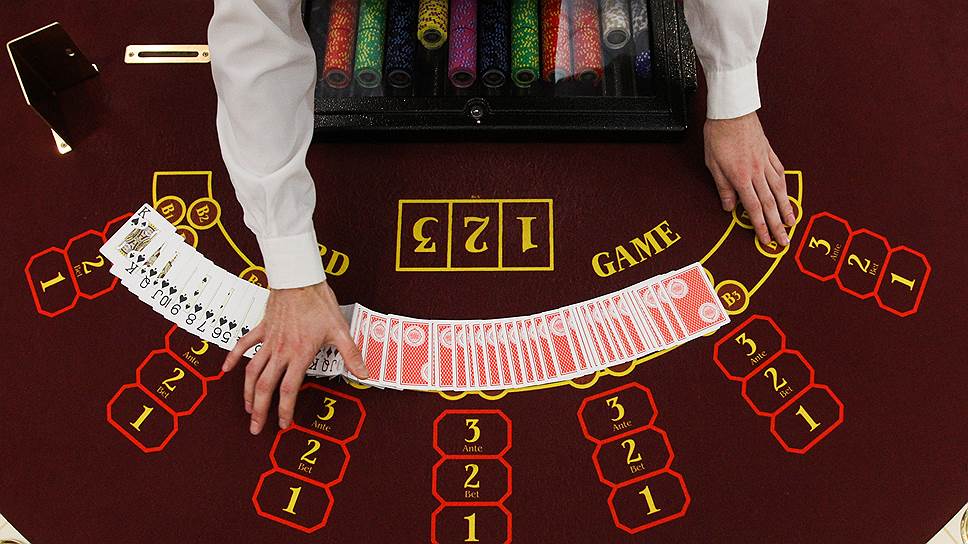
Despite these advantages, offline casinos maintain their allure through the ambiance, entertainment, and services they provide. Many players appreciate the tactile experience of handling chips and cards, as well as the excitement of being surrounded by fellow gamblers. Both forms have their unique appeal, leading to a coexistence that caters to the preferences of different audiences.
Exploring the Future of Gambling
The future of gambling appears to be on an exciting trajectory, with innovations continuously shaping the industry. As technology advances, virtual reality (VR) and augmented reality (AR) are expected to create even more engaging experiences for players, merging the best aspects of online and offline gambling.
Moreover, the growing emphasis on responsible gambling is likely to influence future developments. With increased awareness of gambling addiction, operators are expected to adopt more rigorous measures to ensure player safety and promote responsible gaming practices. As the gambling landscape continues to evolve, players can expect a blend of tradition and innovation that enriches their gaming experiences.